

Gift shops have a specific inventory problem: hundreds of low-value SKUs, plenty of unbarcoded stock, heavy seasonality, and a counter that gets slammed in December. A gift shop POS earns its keep by keeping counts honest, not by having the flashiest checkout screen.
Key takeaways
- Prioritize inventory accuracy — hundreds of small SKUs is the real challenge.
- Generate and print your own barcodes for unbarcoded and handmade stock.
- Use purchase orders and seasonal par levels, informed by last year's data.
- Hunt dead stock quarterly — it looks like an asset and behaves like a hole in your cash flow.
- A tablet plus scanner, printer and drawer is a complete till for a fraction of a terminal bundle.
The gift-shop inventory challenge
A café sells thirty things. A gift shop sells eight hundred, most under $30, from dozens of suppliers, with demand that triples in the six weeks before Christmas.
That means:
- Manual stock tracking is hopeless — barcode everything
- Reordering must be data-driven, because intuition fails across 800 SKUs
- Dead stock accumulates invisibly and quietly consumes your buying budget
- Seasonal patterns repeat — last December is your best forecast for this one
Barcoding unbarcoded stock
Much of what a gift shop sells — local crafts, imported homeware, small-batch goods — arrives with no barcode. The fix is straightforward:
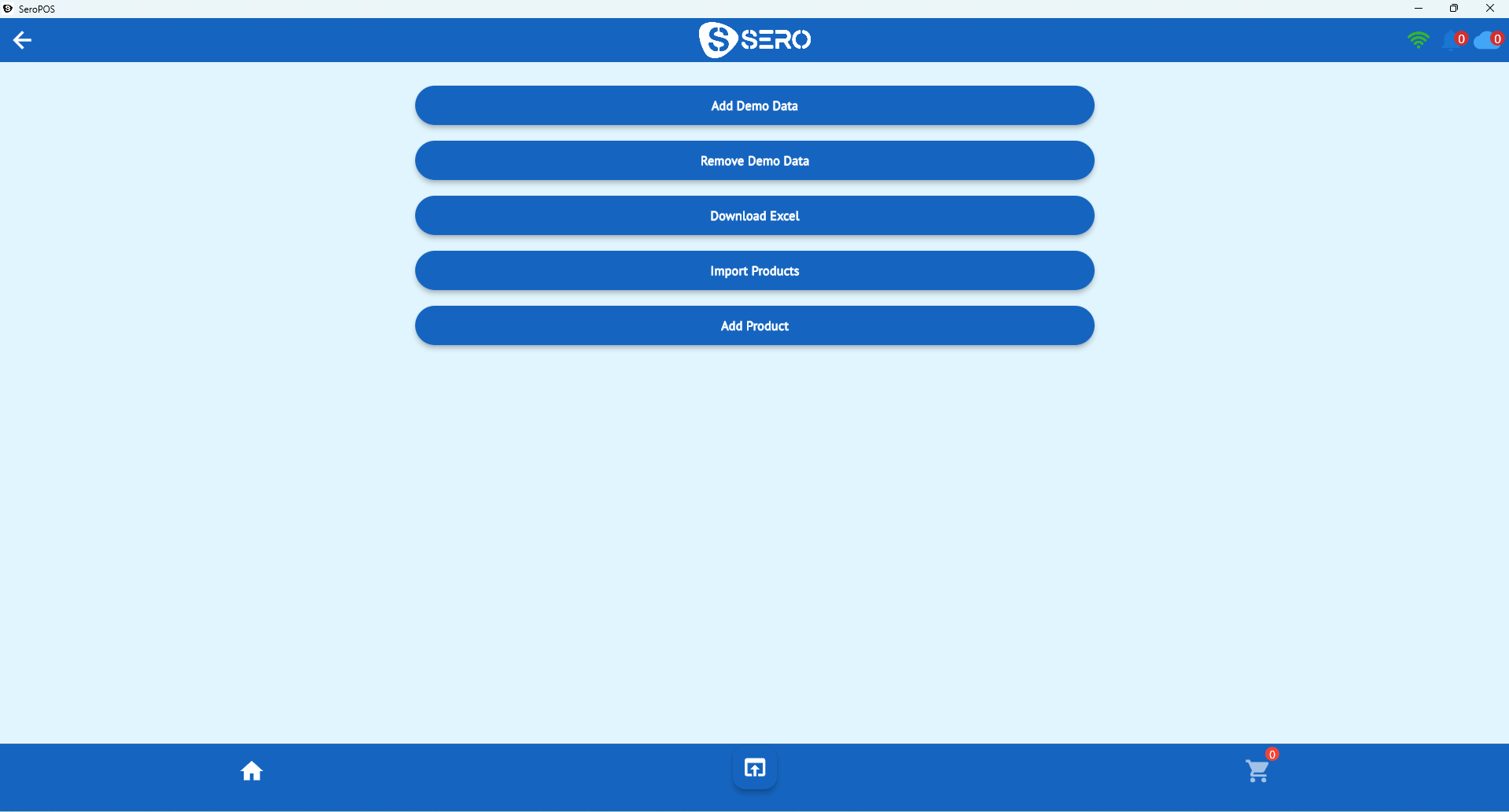
- Create the product with cost and selling price
- Generate a barcode in the POS
- Print a label and apply it
- Scan at checkout and at receiving
Once every item scans, counts stay accurate without anyone doing arithmetic. See the barcode inventory guide for the full workflow.
Buying for the season
The most profitable decision a gift shop makes each year is what to buy for Q4. Base it on records, not memory:
| Report | Buying decision |
|---|---|
| Trending products | What's rising — buy deeper |
| Slow movers | What to stop reordering |
| Last year's period sales | Baseline for seasonal quantities |
| Purchase report | Which suppliers raised prices |
Set par levels seasonally rather than annually — a December par on gift wrap is not a June par.
Killing dead stock
Every gift shop carries items that have sat since two seasons ago. They cost you shelf space, buying budget and attention. Run a slow-mover report quarterly and act: discount, bundle, or clear. Cash from a discounted sale is worth more than an optimistic valuation on a shelf.
Checkout details that matter
- Gift receipts without prices
- Customer groups for wholesale or member pricing
- Loyalty points for repeat local customers (how to design one)
- Fast product search for items that never got a label
Selling online too
Many gift shops now sell a curated slice of their range online. Keep one catalogue behind both channels — SeroPOS syncs with Shopify, WooCommerce and Amazon and includes its own online catalogue with checkout, so your last hand-thrown mug can't sell twice.
What it costs
| Item | Cost |
|---|---|
| Tablet or PC (owned) | $0 |
| Receipt printer | $150–$400 |
| Barcode scanner | $30–$120 |
| Label printer | $150–$400 |
| Cash drawer | $80–$200 |
| SeroPOS software | $30–$50/month |
More detail in the POS hardware guide and the retail POS guide.
Download SeroPOS and barcode your catalogue during the 14-day free trial.