A café’s entire business model rests on a ninety-minute window each morning. A coffee shop POS system should be judged almost entirely on how it behaves during that window — everything else is secondary.
Key takeaways
- Judge any café POS on speed of the morning rush, not feature lists.
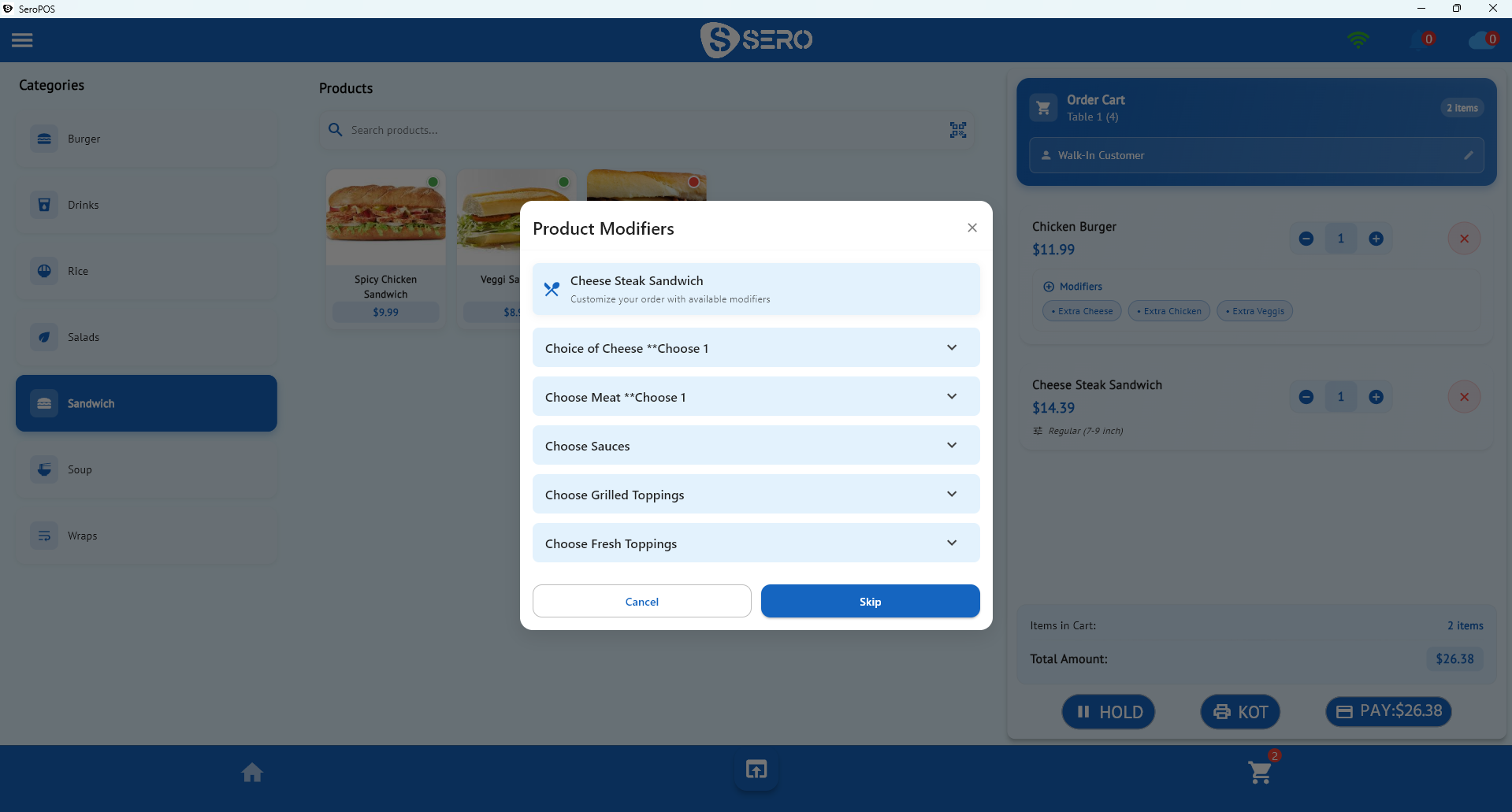
- Build milk, shot and syrup options as priced modifiers so upcharges are automatic.
- Coffee is habitual — loyalty works better here than almost any other category.
- Handle retail beans and merchandise in the same system as drinks.
- Mobile ordering ahead smooths the peak without adding staff.
The morning rush test
Before choosing anything, time these three orders on the actual system:
- A regular drip coffee — should be two taps
- A large oat latte with an extra shot — should be under five
- Two drinks plus a pastry, split payment — should feel effortless
If any drag, your queue will too. Twenty seconds of extra fumbling per order across 200 morning orders is over an hour of lost throughput — and a line out the door that turns people away.
Setting up a café menu properly
Structure drinks as a base product plus modifier groups:
| Group | Options | Pricing |
|---|---|---|
| Size | Small · Medium · Large | Sets base price |
| Milk | Whole · Skim · Oat · Almond · Soy | +$0 to +$0.80 |
| Shots | Single · Double · Extra shot | Per extra shot |
| Syrup | Vanilla · Caramel · Hazelnut · Sugar-free | Per pump/shot |
| Temp/style | Hot · Iced · Extra hot · Half-caff | Free |
Attach upcharges to the options themselves so nobody has to remember that oat milk costs more — the price applies the moment it’s tapped. Full method in the modifier setup guide.
Loyalty: cafés are the ideal case
Nowhere is repeat behaviour more valuable. A customer who buys a $5 coffee four times a week is worth roughly $1,000 a year, and small nudges genuinely change frequency.
Keep it simple: points per dollar, or a visit-based reward. Enrol at payment with a concrete pitch — “want points on this? Just your phone number.” Design details in do loyalty programs actually work.
Selling beans and merchandise too
Most cafés sell more than drinks: bagged beans, brewing gear, mugs, pastries from a supplier. Those are retail items and need retail handling — barcodes, stock counts, cost prices and margin reporting.
Running them in a separate system (or not tracking them at all) is how cafés end up with a shelf of stale beans and no idea what it cost. SeroPOS handles both sides: café service with modifiers, plus barcode inventory, purchase orders and variants for retail.
Smoothing the peak
Three tools that add throughput without adding staff:
- Order-ahead via your online menu — commission-free, ready for collection
- QR ordering at tables so seated guests don’t rejoin the queue for a second cup
- Self-order kiosk mode on a spare tablet — no per-device fee, handles the simple orders while staff make drinks
Numbers a café owner should watch
| Metric | Why |
|---|---|
| Average per cheque | Are add-ons (pastry, extra shot) being offered? |
| Sales by hour | Is your schedule matched to the actual curve? |
| Top items | What deserves menu prominence |
| Milk usage vs sales | Waste check on the most-thrown-away ingredient |
| Loyalty enrolment rate | Under 20% means the counter pitch needs work |
Your daily sales report covers most of this in one screen.
The setup
| Item | Cost |
|---|---|
| Tablet or PC (owned) | $0 |
| Receipt printer | $150–$400 |
| Cash drawer | $80–$200 |
| Second tablet for kiosk (optional) | ~$300 |
| SeroPOS | $30–$50/month |
No proprietary hardware, no contract, and a 14-day free trial to test it against your own morning rush.
Download SeroPOS — no credit card required.